

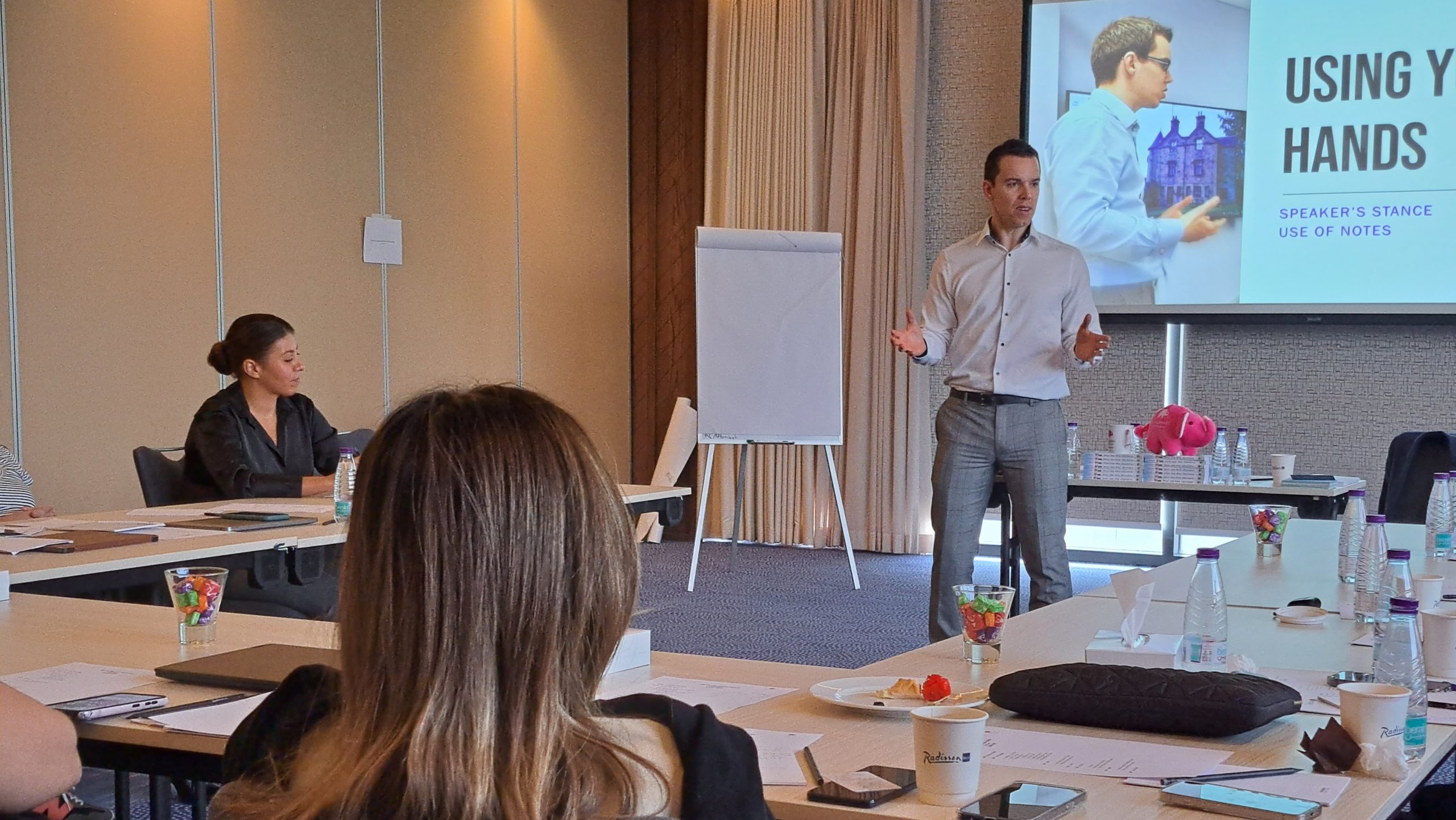
If you’ve yet to experience a storytelling training session, watch the news tonight.
Broadcasters, producers and TV editors are masters at storytelling.
Watch a TED talk and you’ll see the same techniques in action.
Even better, book a storytelling or a Talk like TED session with us, and we’ll show you how to turn your corporate narrative into a fairy-tale epic.
The power of storytelling
Last night’s news story on the cost of living is a great example.
The topic was “shrinkflation” – the idea that makers of food and drink and shrinking the size of their product while keeping the price the same, or increasing it.
Where do you start? With data on average food sizes? With the government’s commitment to easing the cost of living crisis?
No, of course not.
We head straight to a basement in Lincolnshire, where a 35-year-old Mars Bar has been unearthed during a clear out.
The old Mars Bar is found to be twice the size of a regular Mars Bar today, as well as costing 30p as opposed to over £1 today.
From there, we speak to cleaning company owner Victoria Gordon, who unearthed the discovery, about her shock.
And we widen out to a discussion on the effect on inflation on consumer goods.
The press will include commentary from the makers of the Mars Bar and some links to further reading.
Funny, right? How we’re so hooked by the discovery of a mouldy piece of chocolate?
The storytelling formula
Broadcasters routinely take news stories that are as dull as dishwater and turn them into human interest stories.
Why? Because that’s the way we’re hard-wired as audiences.
We can relate to seeing Easter eggs and Creme Eggs, Aeros and Dairy Milks shrink in size. And we feel angry about it.
We also can empathise with the sentimental nature of a spring clean, and the gems you come across along the way.
In short, find the human at the centre of the story and start there.
Have them express their story and we’ll relate to it.
From there, use your data to demonstrate that the one example is part of a bigger trend.
Because we’ve been hooked, we’re more likely to stay for the science.
Storytelling structures
We love a clear story, with heroes and villains.
Sometimes the good guy wins, sometimes the bad guy.
But if it’s told properly, we connect emotionally and we feel one fraction of what it was like to actually be there.
That’s a powerful place to have your audience.
Identify the hero in your storytelling.
In this case, it was Victoria Gordon, the cleaner.
What about the villain? The faceless Mars corporation.
Clearly, more serious stories about death, violence and human suffering will have even more resonance.
And they’re treated in exactly the same way.
NHS waiting list times being missed? Let’s find a victim on a hospital trolley, parked in a corridor, and hear her story.
Local crime? Let’s hear what neighbours thought about the alleged criminal.
Natural disaster? Let’s speak to the families of survivors and those still missing.
It can sound cold and unfeeling, but it’s a formula that works.
How’s your storytelling?
If you are solving a problem for your audience, identify the person whose problem you’re solving.
Start there.
Make us feel like we were there at the time through vivid descriptions and splashes of colour.
And use your data to zoom out and show the trend.
Heroes.
Villains.
Triumphs over tragedy.
Clear morals.
They’re all part of a storytelling formula that’s as old as time.
Want to join a storytelling course Glasgow or in Edinburgh?
You can find out more about our courses here.
Photos in Talk like TED: Storytelling training by Pink Elephant Communications.
Talk like TED: Storytelling training was written by Andrew McFarlan and edited by Maxine Montgomery.


