


The way you begin a media interview sets the tone for everything that follows.
Strong preparation, clarity of message and confident delivery will help you stay in control even in challenging situations and under-pressure interviews.
Start by building rapport, but do so thoughtfully. A warm greeting and calm professionalism create a positive connection with the interviewer.

However, context is crucial. If the interview relates to a serious or negative issue, an enthusiastic “good morning” may feel inappropriate, so match your tone to the topic while remaining composed, measured and respectful.
Maintain a steady, professional ‘poker face’ until the interviewer has reached the end of their question.
Journalists can often start with what seems like a nice, agreeable question, but then there is a sting in the tail, and it is difficult to stop your nodding head when that happens suddenly.
Keep your expressions neutral and focused until you hear the full question, and then frame your key messages.
The very first thing to remember before you start speaking is to pause.
This gives you time to think about what you want to say and how you want to say it to ensure you get your message across clearly and confidently.
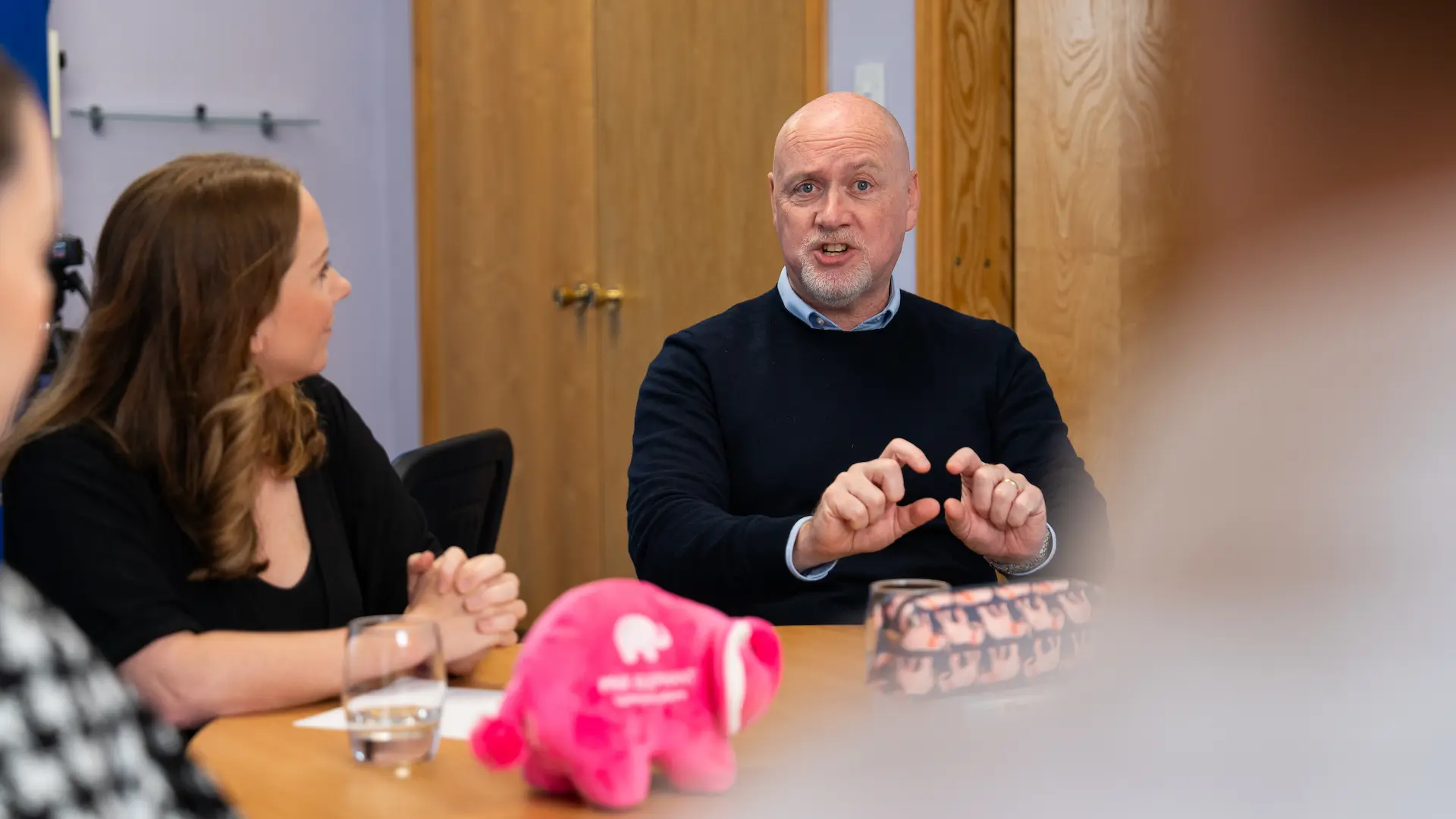
Structure is your best friend.
Use the pyramid of communication in every answer you give: lead with your key message first, tailored to your audience.
State clearly the most important thing your audience needs to know in your very first sentence.
Avoid building up to your point – begin with it. Then provide supporting detail, context and evidence.
This approach ensures clarity, particularly if the interview is edited or time-limited.
On the odd occasion, something could be breaking, and you are interrupted.
Imagine you had only said your name and job title and missed your key point. Structuring each answer using the pyramid of communication avoids this.
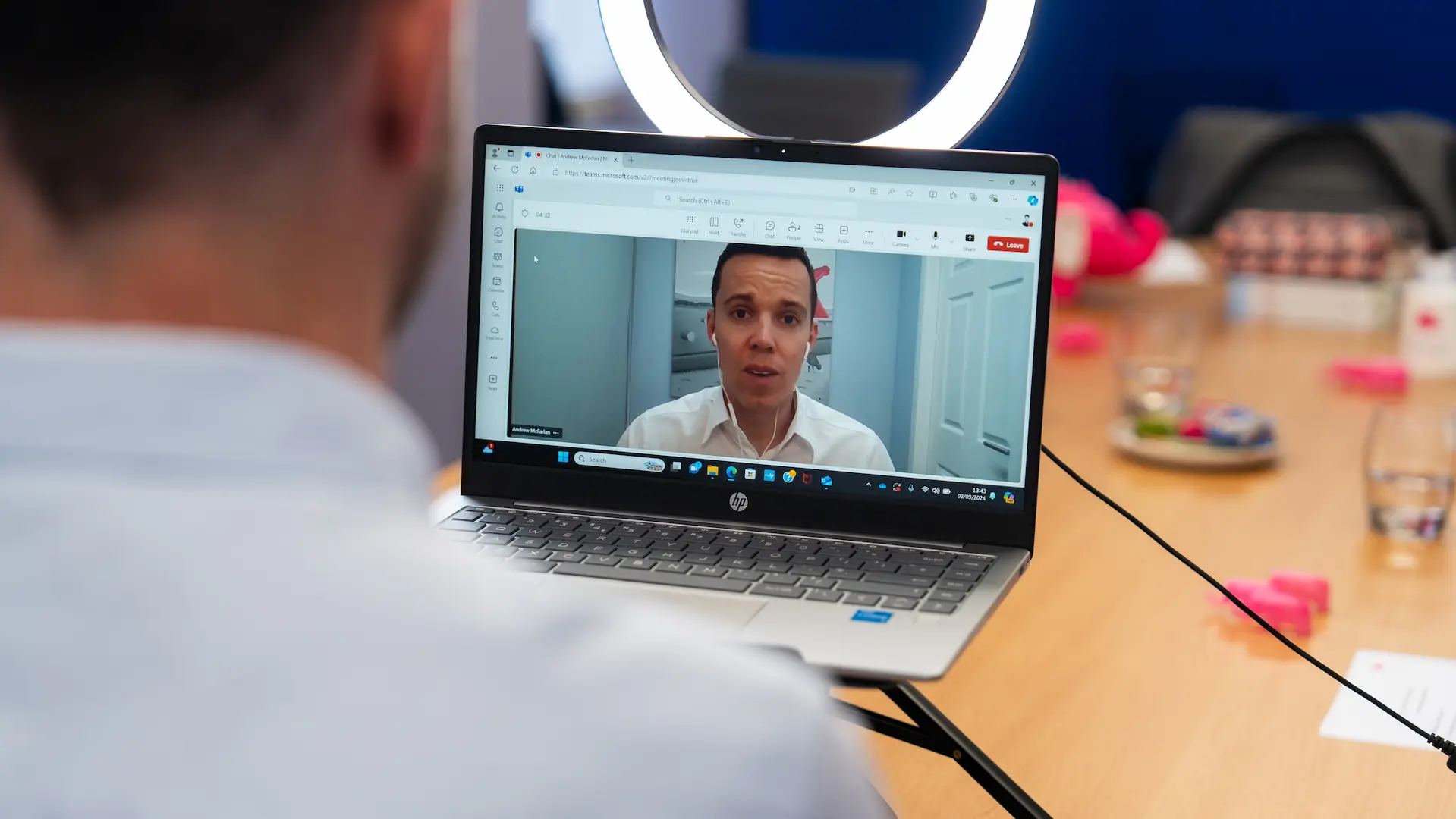
Preparation underpins confidence.
Develop an A-list of core messages you want to deliver (this is your pyramid in action) and a B-list of topics you would rather avoid but might come up.
This enables you to pivot smoothly, regardless of the question asked. If challenged, bridge back to your central message on your A-list with authority and control.
Use strong, committed language. Avoid tentative phrases such as “I think” or “maybe.”
Instead, speak with clarity and conviction. Say what you mean, own your message and communicate with certainty.
With preparation, structure and confident language, every media interview becomes an opportunity to lead the conversation.

How to start a media interview
Are you ready to start promoting your work in the media?
Get in touch today to find out how we can help.
Photos in How to start a media interview are by Pink Elephant Communications.
How to start a media interview was written by Pink Elephant Communications and edited by Maxine Montgomery.


